

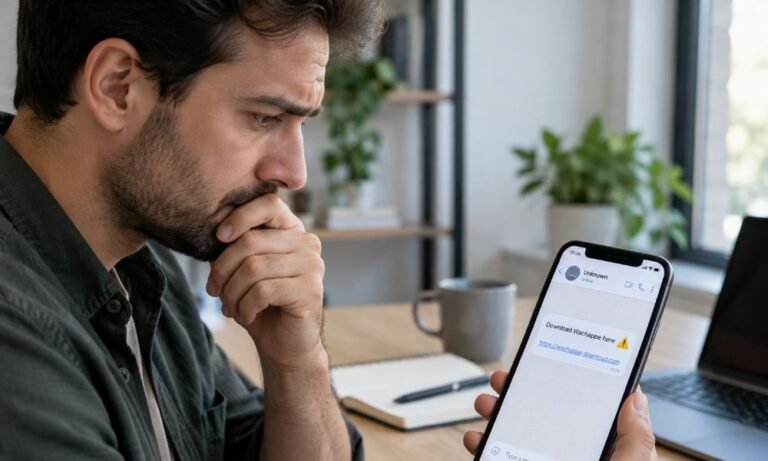
Wachappe is a word that can make many people stop and think. It sounds close to WhatsApp, so a normal user may feel it is safe. A friend may say, “Send it on Wachappe,” or a message may say, “Download Wachappe here.” At first, this may not feel dangerous. The name feels familiar. The spelling looks close to a messaging app people already know. But this is the exact reason users should be careful. A familiar-looking name does not prove that a link is safe. It also does not prove that an app is official. The main issue is not only the word itself. The real issue is trust. Before clicking, downloading, or sharing personal details, users need to know what Wachappe actually means and where the link really goes.
What Is Wachappe?
Wachappe is an unclear online term linked with messaging. One source explains that Wachappe is sometimes presented as a variation of WhatsApp, but it also says it could not verify a separate messaging app with that exact name, a clear developer, and strong product documentation. This matters because a name alone is not enough proof. Many websites can use similar words. Some may be harmless. Some may be confused spellings. Some may be used to attract clicks. So the safest way to understand Wachappe is to treat it as an uncertain term, not as a confirmed app. If someone sends you a Wachappe link, the best first step is simple. Ask what app they mean. Ask for the official app-store page. Ask for the developer name. Do not guess.
Why the Name Feels Safe
The biggest danger with a word like Wachappe is not always technical. It is emotional. People trust what feels familiar. If a name sounds close to WhatsApp, the brain may relax. Many users do not check every letter in a link. They do not check the developer name. They do not read the privacy policy. They just see a known shape and click. This is common because most people are busy. They want to reply fast, send a photo, or join a group. Scammers and low-quality websites often benefit from this habit. Even if Wachappe is only a spelling confusion in some cases, users should still slow down. A small spelling change can lead to a very different website, app, or download page.
A Simple Real-Life Situation
Imagine a person receives a message from someone they know. The message says, “Please download Wachappe to see the file.” The person trusts the sender because it looks like a friend. They click the link without thinking. But there are many possible problems. The friend’s account may be hacked. The link may lead to an unofficial download page. The app may ask for contacts, storage, camera, microphone, or SMS access. The person may approve everything just to open the file. This is how small mistakes become big problems. The person did not plan to take a risk. They only wanted to follow a message. This is why digital safety must be simple. Users need easy rules before they click, not after something goes wrong.
Why Messaging Links Need Extra Care
Messaging apps feel private, so users often trust links inside them. But a message is not proof of safety. WhatsApp’s own help pages warn users about suspicious messages and scams, including messages that ask people to tap a link, activate a feature through a link, or download an app. This warning is useful for any messaging situation, including unclear names like Wachappe. If a message pushes you to act fast, download something, or enter personal details, pause first. A safe service should be easy to verify. It should have a clear website, a known developer, an official store listing, and support pages. If these things are missing, the user should not rush.
Check the Exact Link First
The first safety step is to check the exact link. Do not only read the words in the message. Look at the real web address. Many risky links use names that look normal at first glance. They may add extra letters, strange symbols, or fake subdomains. Some links may use a trusted word inside a longer unsafe address. A user should also avoid clicking shortened links when the sender cannot explain them. If someone says Wachappe is an app, ask for the official store listing. Do not download from a random blog button or file-sharing page. A real app should not need pressure or mystery. If the link feels unclear, it is better to stop than to fix damage later.
Check the Developer Name
The second safety step is to check the developer. This is very important. A real app should have a developer or company behind it. The developer name should match across the website, app store, privacy policy, and support page. If the website says one company, the app listing says another name, and the privacy policy says something else, that is a warning sign. It may not always mean fraud, but it means the user needs more proof. With Wachappe, the problem is that public information does not clearly show one verified product identity. So users should not assume it is safe because the word sounds like another app. The developer name is stronger evidence than the app name.
Use Official Download Routes
The third safety step is to use official download routes. For WhatsApp, the official download page points users to recognized installation options, including the Apple App Store and Google Play. This is the kind of route users should expect from a trusted app. If a page tells you to install an APK file from an unknown source, be careful. Android users may sometimes install apps outside Google Play, but that choice needs more technical knowledge and more risk checking. Most normal users should stay with official stores. Official stores are not perfect, but they add a layer of review, developer identity, updates, and user feedback. A random download button does not offer the same trust.
Read the Privacy Details
The fourth safety step is to check the privacy details. Messaging apps can collect sensitive information. They may ask for your phone number, contacts, profile photo, files, camera, microphone, and location. These permissions may be needed for real features, but users should know why. A privacy policy should explain what data is collected, why it is collected, who can receive it, and how a user can delete it. If an app only says “we protect your privacy” but gives no clear details, that is not enough. Wachappe is a good reminder that privacy is not just a nice word. It must be backed by clear documents, clear settings, and a clear company users can contact.
Do Not Call Every Unknown Link a Scam
It is important to stay fair. An unclear name does not automatically mean scam. Wachappe may be a spelling mistake, a local way of saying WhatsApp, a blog keyword, or a name used in another context. The careful point is this: uncertainty is not proof of safety. If you cannot confirm the app, developer, download source, and privacy rules, you should not treat it like a trusted tool. This balanced approach keeps the article honest. It avoids fake claims. It also protects readers. The goal is not to create fear. The goal is to teach users how to check before they click. A calm warning is stronger than a dramatic accusation.
What to Do If You Already Clicked
If you already clicked a Wachappe link, do not panic. First, close the page if it looks strange. Do not enter passwords, bank details, codes, or personal information. If you downloaded a file, do not open it unless you can verify it. If you installed an app, review its permissions. Remove any app that you cannot identify. Change passwords if you entered them on a suspicious page. Turn on two-step verification for important accounts. Also tell the person who sent the link, because their account may be compromised. WhatsApp says a suspicious message can even come from a known contact if that account has been taken over.
Why Wachappe Is a Useful Safety Lesson
Wachappe is useful as more than a search term. It teaches a bigger lesson about digital life. Many people do not get tricked because they are careless. They get tricked because something looks normal. A name looks familiar. A message comes from a friend. A button looks official. A page uses clean design. These small signs can lower suspicion. That is why users need a simple habit: verify before trust. Check the spelling. Check the link. Check the developer. Check the app store. Check the privacy policy. These steps may take one minute, but they can protect personal data, family photos, contacts, chats, and accounts.
Final Thoughts
Wachappe can create real app safety confusion because it sounds familiar while its exact identity remains unclear. That mix is what makes the topic important. Users should not panic when they see the word, but they should not click blindly either. A safe app should be easy to confirm through an official website, a trusted app-store page, a clear developer name, and a useful privacy policy. If those details are missing, pause. Ask questions. Use official routes. Do not download from unknown links just because the name reminds you of something trusted. In 2026, smart online safety is not about fear. It is about slowing down before one wrong click becomes a real problem.
