

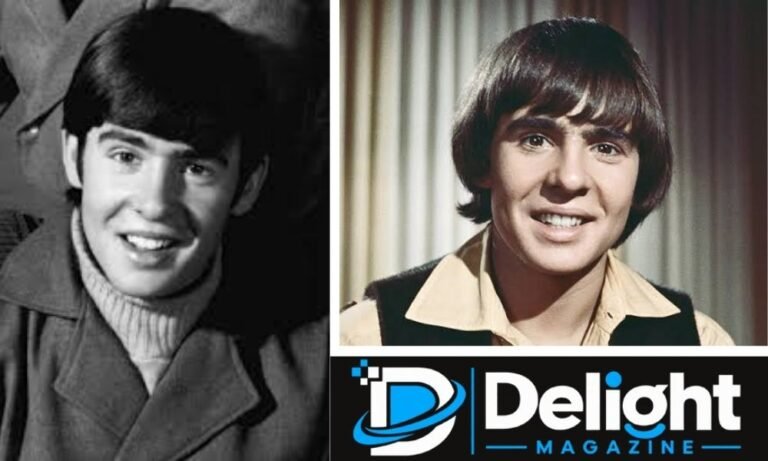
Davy Jones net worth is often searched because people remember him as the charming face of The Monkees. He was not just a singer with a few popular songs. He was also part of one of the most unusual fame stories in pop music. The Monkees were built around a television show, and that fact still creates debate. Some people saw them as a manufactured band. Others saw them as real entertainers who proved their talent over time. Celebrity Net Worth estimates that Davy Jones had a net worth of about $2.5 million at the time of his death in 2012, but that number only tells one small part of the story.
A Star Built by Television
Davy Jones became famous in a way that was different from many rock stars of the 1960s. The Monkees were not formed in a garage by old friends. They were selected for a television series about a young rock band. The show aired on NBC from 1966 to 1968, and it quickly made Davy Jones, Micky Dolenz, Michael Nesmith, and Peter Tork household names. The Television Academy notes that controversy followed the show because the group was seen as “manufactured” by Raybert Productions. That label stayed with them for years.
The Money Question Behind Manufactured Fame
This is where the Davy Jones net worth story becomes more interesting. TV fame gave him fast exposure, a huge audience, and a strong public image. That kind of fame can create money quickly. It can lead to record sales, concerts, merchandise, interviews, and future appearances. But it can also create limits. If the public sees a performer as part of a TV project, they may not give the same respect they give to a traditional musician. So the question is fair: did television make Davy Jones richer, or did it make people take his music less seriously?
The Monkees Were More Than a Simple TV Trick
It is too easy to say The Monkees were only a fake band. That misses the deeper story. The show was planned for television, but the members became real performers in the public eye. They recorded hit songs, toured, appeared together for years, and built a fan base that lasted long after the TV series ended. CBS News described The Monkees as a made-for-TV band, but also listed major songs such as “Daydream Believer,” “Last Train to Clarksville,” “I’m a Believer,” and “Pleasant Valley Sunday.” Their music reached people far beyond the original sitcom.
Why Davy Jones Became the Face Fans Remembered
Davy Jones had a natural screen presence. He looked young, friendly, and easy to like. He had the kind of charm that worked well on television. For many fans, he became the heartthrob of The Monkees. That image had real value. It made him memorable. It helped him stay marketable. It also helped him keep working after the first wave of Monkees fame faded. In entertainment, being remembered is not a small thing. It can turn old fame into later income through reunions, interviews, tours, and guest appearances.
Before The Monkees, He Was Already a Performer
Davy Jones was not a person with no talent who was simply placed in front of a camera. Before The Monkees, he had stage experience and performance skills. His official biography describes him as moving through acting, singing, and stage work before and after his Monkees years. This matters because it changes how readers should think about Davy Jones net worth. His money was not only from one television show. It came from a longer working life in entertainment, including recordings, songwriting, live shows, theater, television, film, and personal appearances.
The Respect Problem Followed the Money
The biggest controversy around The Monkees was not just about fame. It was about respect. Many rock fans value bands that write their own songs, play their own instruments, and build their sound from the ground up. The Monkees had a different path. Because they were connected to a TV production, some critics treated them as less real. That kind of image can affect a performer’s long-term brand. Davy Jones may have gained huge fame quickly, but he also had to live with people questioning the artistic value behind that fame.
Still, TV Fame Had a Surprising Benefit
The surprising benefit of being part of a TV-made pop group was visibility. Millions of people did not just hear Davy Jones. They saw him every week. They watched his face, his humor, his style, and his personality. That created a deeper connection than radio alone could create. Fans did not only like the songs. They felt they knew the person. That emotional bond helped The Monkees survive as a nostalgia brand. It also helped Davy Jones keep a place in pop culture long after the original show ended.
Why The $2.5 Million Estimate Needs Context
The reported Davy Jones net worth figure should be treated carefully. Celebrity wealth websites usually give estimates, not confirmed bank records. A celebrity’s true wealth can include many private things, such as property, royalties, investments, taxes, estate planning, debts, and family arrangements. Celebrity Net Worth gives the $2.5 million estimate, but readers should not treat it as a full public estate report. It is better to use the number as a starting point, then explain the career forces behind it.
A Career That Did Not End With One Show
After The Monkees first disbanded in 1971, Davy Jones continued working. His official biography states that he moved into solo recordings, songwriting, live performances, theater, TV, film, and personal appearances. That matters because many stars from one famous era fade away. Jones did not fully disappear. He kept using his name, voice, and fan connection to build work across decades. This kind of career may not always make a person extremely rich, but it can create steady value over time.
Nostalgia Became Part of His Financial Story
Nostalgia can be powerful in entertainment. Fans who loved a performer when they were young often return years later. They buy tickets. They watch reruns. They read interviews. They share old clips. They introduce the music to family members. Davy Jones benefited from this kind of long memory. The Monkees were not only a 1960s moment. Their image returned through reunions, reruns, and later pop culture references. His official site notes later appearances and reunions, including work with other Monkees members in the 1990s.
The Cost of Being Tied to One Famous Image
The same fame that helped Davy Jones also placed him inside a fixed image. For many people, he would always be “Davy from The Monkees.” That is both a gift and a limit. It gave him a lifelong identity that fans loved. But it also made it harder for some people to see the full performer behind the role. This is common in entertainment. A star can become so strongly linked to one project that every later success is compared to it. Davy Jones net worth should be read through that tension: fame created opportunity, but it also created a box around his public image.
Real Music Respect Came Slowly
Over time, many people softened their view of The Monkees. The debate did not fully disappear, but their songs lasted. Their television style influenced later music-video culture. Their personalities remained familiar. Fans kept the music alive. Davy Jones was not remembered only because of a production company’s idea. He was remembered because people enjoyed watching him and hearing him. That is a form of value that a net worth number cannot fully measure. Money can show part of a career’s success, but it cannot fully show affection, memory, and cultural impact.
Why This Story Still Matters
The Davy Jones net worth story still matters because modern fame often works the same way. Today, stars are built through TV, streaming platforms, social media, talent shows, and branding teams. People still argue about who is “real” and who is manufactured. Davy Jones lived an early version of that debate. His career shows that fame created by media can still become meaningful when the performer connects with people. The Monkees may have started as a television idea, but Davy Jones helped turn that idea into something fans carried for decades.
Final Thoughts
Davy Jones net worth is more than a number beside a celebrity name. It is a story about television power, music respect, fan loyalty, and the cost of being famous in a manufactured format. The reported $2.5 million estimate gives readers a simple figure, but the deeper story is stronger. Davy Jones became famous through a TV-made band, faced doubts about artistic respect, and still built a lasting place in pop culture. His fortune may not have matched the biggest rock stars of his time, but his memory lasted because fans saw more than a product. They saw a performer they liked, trusted, and remembered.
